Can You Eat Your Way to a Longer Life?
Written by Chu Pan, Nutrition Intern
What are the promises and limits of longevity nutrition? Can we really eat our way to a longer life? The answer is yes, absolutely. And the safest way is the most natural: through whole foods. A personalized diet that takes your specific health challenges and goals into account can increase life expectancy up to 10 years!
Two Factors That Impact Aging:
Oxidative Stress: The imbalance of free radicals (unstable molecules produced in the body) and antioxidants in the body that leads to cell damage and is a major factor of accelerating the aging process
As we grow older, the ability of our cells to function, repair themselves, and divide appropriately deteriorates. Oxidative stress, caused by a diet rich in processed foods, environmental pollution, stress and lack of sleep, speeds up this process. When free radicals increase, aging cells show up as wrinkles, fatigue, brain fog, hair loss, joint pain and more.
GH: Growth Hormone and IGF-1: Insulin Growth Factor-1
IGF-1 is a hormone found naturally in our blood. It manages the effects of GH, which is essential for tissue and bone growth. GH signaling and appropriate IGF-1 levels play a major role in growth and development.
Moderate levels of IGF-1 generally reduce insulin levels and improve stress resistance. Be aware that levels that are too low can raise your mortality risk in the form of excess body fat, depression, and low bone density
Excessively high levels of IGF-1 generally increase the risk of age-related diseases and promote pathways linked to cancer and metabolic dysfunction, while reducing the body's focus on cellular repair and maintenance
High protein diets tend to increase levels of IGF-1, which is not immediately a negative effect. Protein is a foundational nutrient in our diets. However, excessive intake of protein overstimulates the biological pathways linked to aging. The main idea is to be mindful with diets that include excessive amounts of protein, especially processed meats and the overconsumption of red meats. However, cutting protein out and overly restricting is not the solution. The right amount of protein for your own body and lifestyle is essential and extremely beneficial for balanced IGF-1 levels.
Common Interventions (to reduce oxidative stress and support balanced IGF-1 levels):
NAD+ (Nicotinamide Adenine Ainucleotide)
A coenzyme in every cell essential for energy production (ATP), DNA repair, cellular metabolism (converting nutrients to energy in cells) and gene regulation.
Levels of NAD+ decline with age. Low levels of NAD+ accelerate aging via DNA damage and cellular senescence (where cells stop functioning but don’t die), mitochondrial dysfunction, inflammation, and stem cell decline. Cells become less functional and are less able to repair themselves, accelerating aging and decline.
Appropriate levels of of NAD+ in the body boosts cardiovascular health, reduces inflammation, and strengthens metabolic function. Simply supplementing with NAD+ is not necessarily the answer though. NAD+ can be poorly absorbed through supplementation, potentially leading to inflammation, cellular stress, headaches, cramps, diarrhea, and liver toxicity.
Food may more safely help you boost your levels–naturally! NAD+ precursors, found in certain foods, are substances that your body uses to naturally make NAD+. Exercise can also naturally boost your levels.
Foods that help boost NAD+:
→ Poultry such as fish, eggs, chicken, and dairy products
→ Whole grains such as brown rice, oats, and quinoa
→ Nuts and seeds such as sunflower seeds, almonds, and hemp seeds
→ Green vegetables and fruits such as avocados, bananas, and apples
Glutathione
A naturally occurring antioxidant that protects cells from oxidative stress by fighting harmful free radicals that damage cells
Glutathione is our body’s master antioxidant. Our liver produces it, but diet and lifestyle factors, as well as aging, can lead to lower glutathione production. Low glutathione levels lead to a cascade of DNA mutations, metabolic dysfunction and cell death. Supporting healthy levels of glutathione helps prevent premature cell aging and oxidative stress.
We can boost glutathione levels naturally through foods that are rich in the amino acid cysteine, vitamins C, E, B6, B12 and folate, and sulfur (contains glutathione precursor). Additionally, supplementing with liposomal glutathione can help boost levels in the body. The liposomal form is essential for better absorption. Please see a Registered Dietitian/Nutritionist to determine the best glutathione supplement for your needs.
Foods that naturally boost glutathione production:
Fresh vegetables and fruits such as asparagus, broccoli, spinach, citrus fruits, strawberries, bell peppers, avocados
Garlic, onion, shallots
Lean meats such as grass-fed beef, chicken, turkey, and fish
Brazil nuts, sunflower seeds
Peptides
A trending topic is the efficacy of peptides, which are short chains of amino acids that act as signaling molecules in the body to trigger repair, regeneration, and balance. These peptides impact the pathways that influence aging. Some peptides work to increase growth signals, such as GH and IGF-1, and some reduce inflammation and support tissue repair within the mitochondria.
Peptides such as BPC-157 and TB-4 are synthetic (man-made) peptides and known to promote recovery and longevity. However, the safety of these and other synthetic peptides is still being determined. FDA labels warn about the unknown long-term effects that can raise cancer and cardiovascular disease risks. Additionally, many peptides are not FDA approved. While they may be helpful in slowing the aging process, it’s important to speak to your doctor about how best to incorporate peptides into your lifestyle, including the ones that may be safest and most efficacious for you.
Bottom Line:
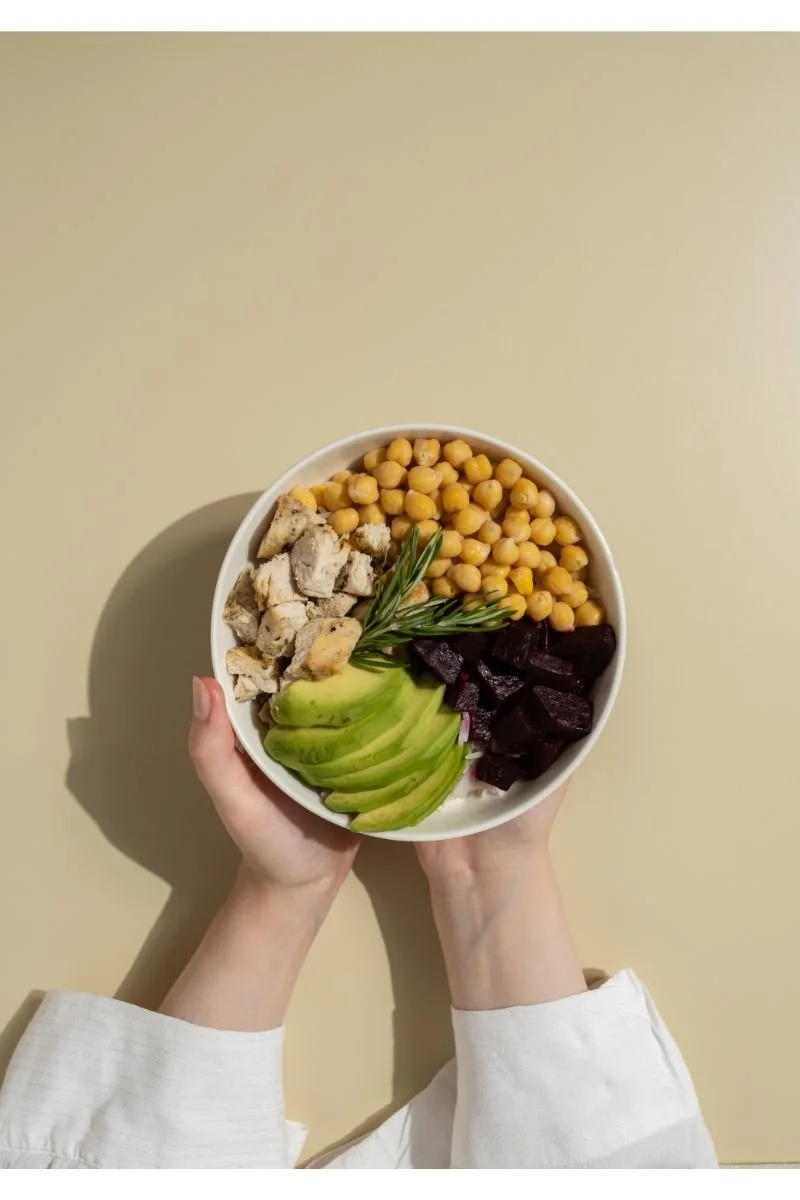
Eating more whole foods has a profound impact on our quality of life and longevity! Consuming a diet rich in a variety of whole foods, like fruits, vegetables, legumes, nuts, seeds, wild fish, poultry, eggs, and whole grains helps us optimize nutrient intake and support our mobility and long-term health. Limiting our intake of foods with added sugars, refined carbs, excess sodium, and trans fats actively reduces our risk of chronic disease. You can begin to make progress in your own health and longevity journey with simply choosing one new whole food to eat more frequently. Step by step, food by food, you’ll build your own lifestyle habits that reduce disease risk and support the life you want to live.